Issue 113: A Bulletin for Big Ideas and Better Business
The broken-leg dog that made Amazon rethink what really drives growth.
ISSUE 113/
A BULLETIN FOR
BIG IDEAS AND
BETTER BUSINESS.

OPINION / Creativity
The dog with the broken leg
- and what it taught Amazon about creativity.
💬 Sir John Hegarty
I’ve often wondered why companies, as they grow, exchange the magic of creativity for the cold logic of data - only to wonder why the flame goes out.
Last week, I put this to my long-time friend Simon Morris over breakfast. Simon’s career is a masterclass in creative leadership - from launching Sonic the Hedgehog to a decade as Chief Creative Officer at Amazon. Having navigated that “Borg-like” world from the inside, he managed to embed what he calls “high judgment” into its core.
Our conversation uncovered a vital lesson for any leader: optimisation is not the same as inspiration. One makes you efficient. The other gives people a reason to care.
Sir John Hegarty: Simon Morris: | 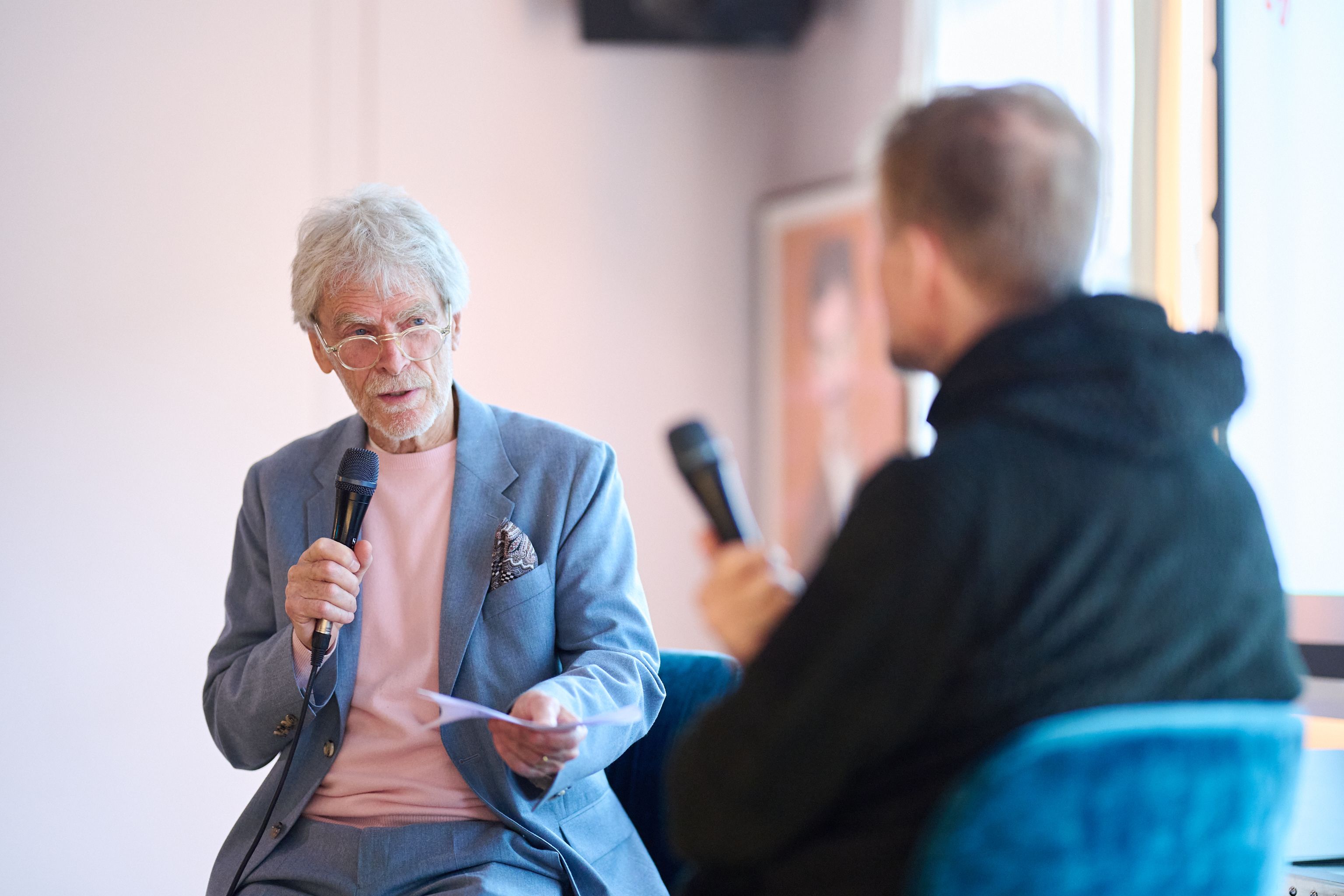 Sir John Hegarty (Photo by Photographer London LTD) |
My time at Amazon - I’d call it the golden age of advertising - coincided with a moment when Jeff knew his thinking needed questioning. He was challenging himself.
There was a recognition that the business had become highly optimised. Jeff said, “We’re so optimised in the way we’re doing things. I’m challenging that.”
My good fortune was teaming up with someone who skewed massively left-brain, while I skewed massively right-brain. We met in the middle. He built a bespoke econometric system that could prove that for every dollar we spent, we got $10 back - and, more importantly, what the downstream commercial impact was.
That became a concept called lift. Everything we did had to drive lift. The bar was the highest I’ve seen in my career, and that became the starting point.
What we quickly proved was that work which connected emotionally, had a narrative, and focused on a single objective performed best.
So the intent was there. The measurement was there.
The turning point came when I went to see him. It was for Prime. I had made an emotional ad about a dog with a broken leg, and he wanted a more functional version.
We ran the two ads side by side on US cable, where we could measure exactly what impact they had on each home.
My ad was ten points better. Jeff was smart enough to change his point of view without being emotionally attached to it. And that was it. We built the proof points to show that the business of creativity was driving the business of Amazon. |  Simon Morris (Photo by Photographer London LTD) |
We built the proof points to show that the business of creativity was driving the business of Amazon.
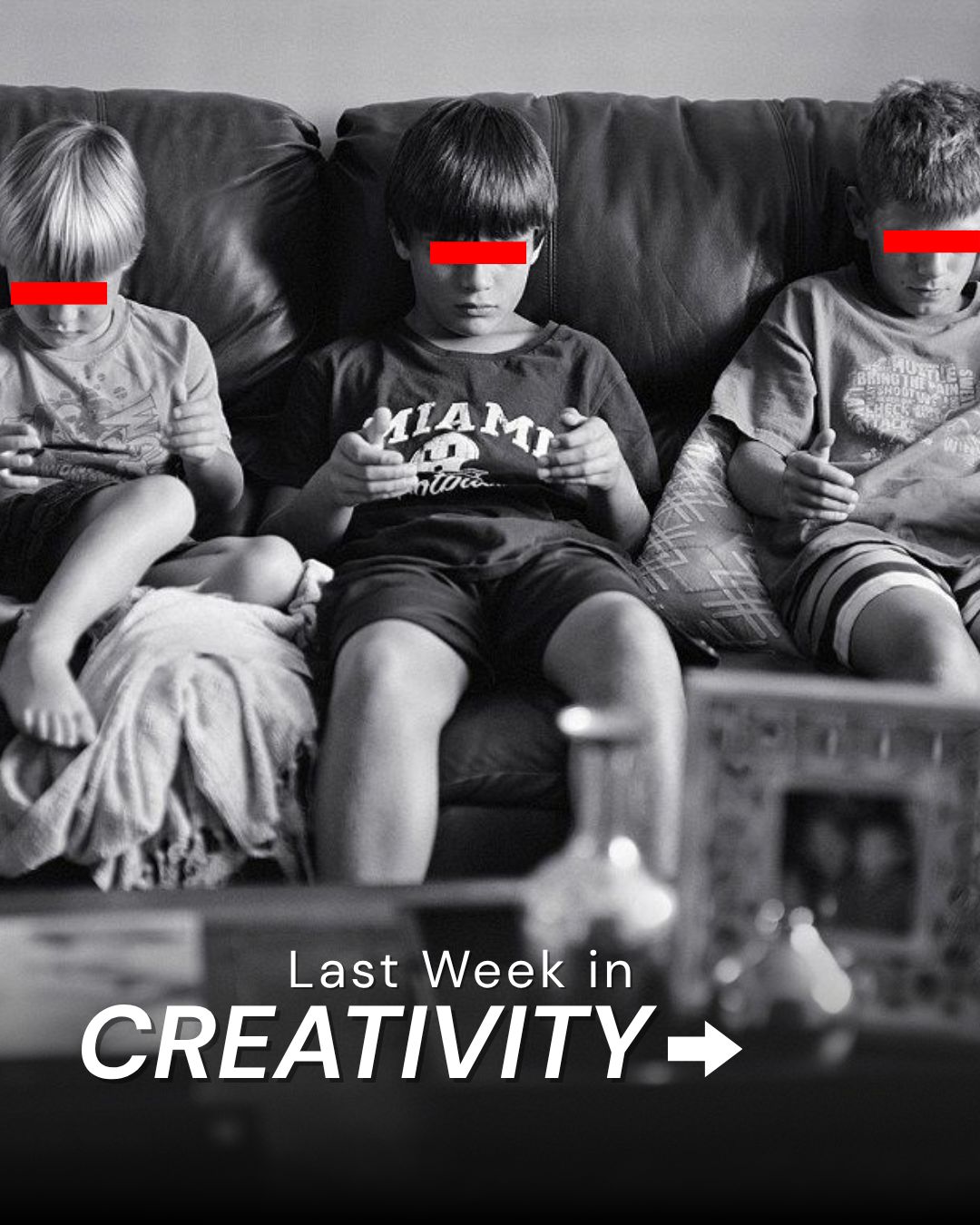
Last week in Creativity:
OpenAI Shuts Down Sora Just Months After Launch
Touted as the future of AI-generated video and a new kind of social platform, Sora quickly unravelled - with feeds filled by deepfakes, copyright issues, and content people tried, but didn’t stay for.“Chloe vs History” Blurs the Line Between Real and Artificial
The viral account proves audiences will engage with entirely AI-generated personalities - not because they believe they’re real, but because they’re compelling enough not to question.Meta & YouTube Face a Growing Accountability Reckoning
A $6M verdict against both platforms reflects a wider shift: scrutiny is moving beyond content to the systems behind it - with increasing pressure to address addiction, safety, and trust.
Head to Instagram for more detail - and what this means for creativity…
A brand for a company is like a reputation for a person. You earn reputation by trying to do hard things well.
Unlock your creativity.
Has this newsletter
been forwarded to you by a friend?
Sign up to The Business of Creativity
to receive your own weekly dose
of creativity news.